Biomass Gasifier

Innovative Energy Technology, Building a Sustainable Future

Biomass Gasifier Technical Process

Converting biomass into clean energy through advanced gasification technology, achieving efficient and environmentally friendly energy utilization
生物质制造过程

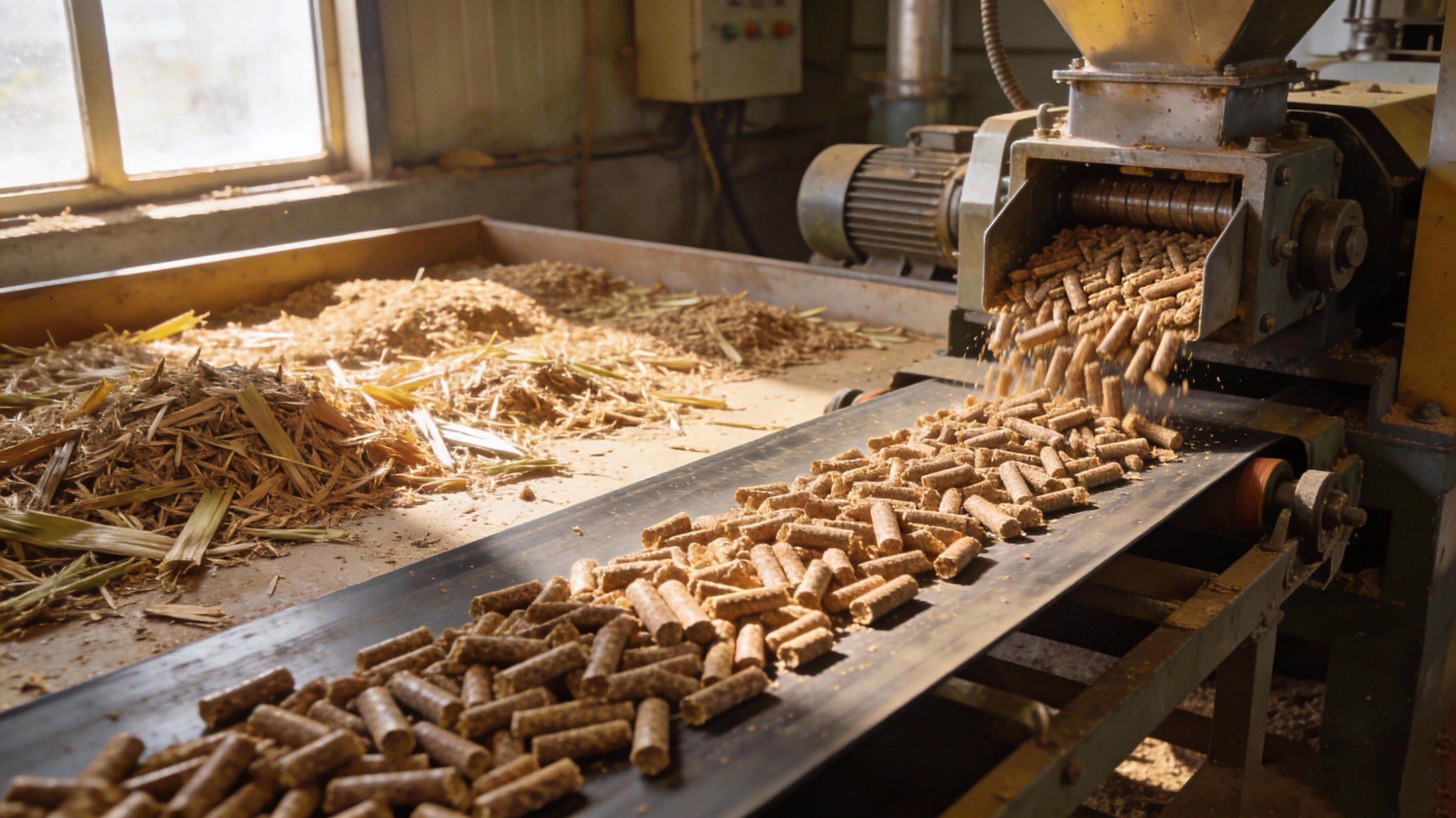
Biomass Production

Agricultural Waste Treatment and Pelletization
气化炉转化过程

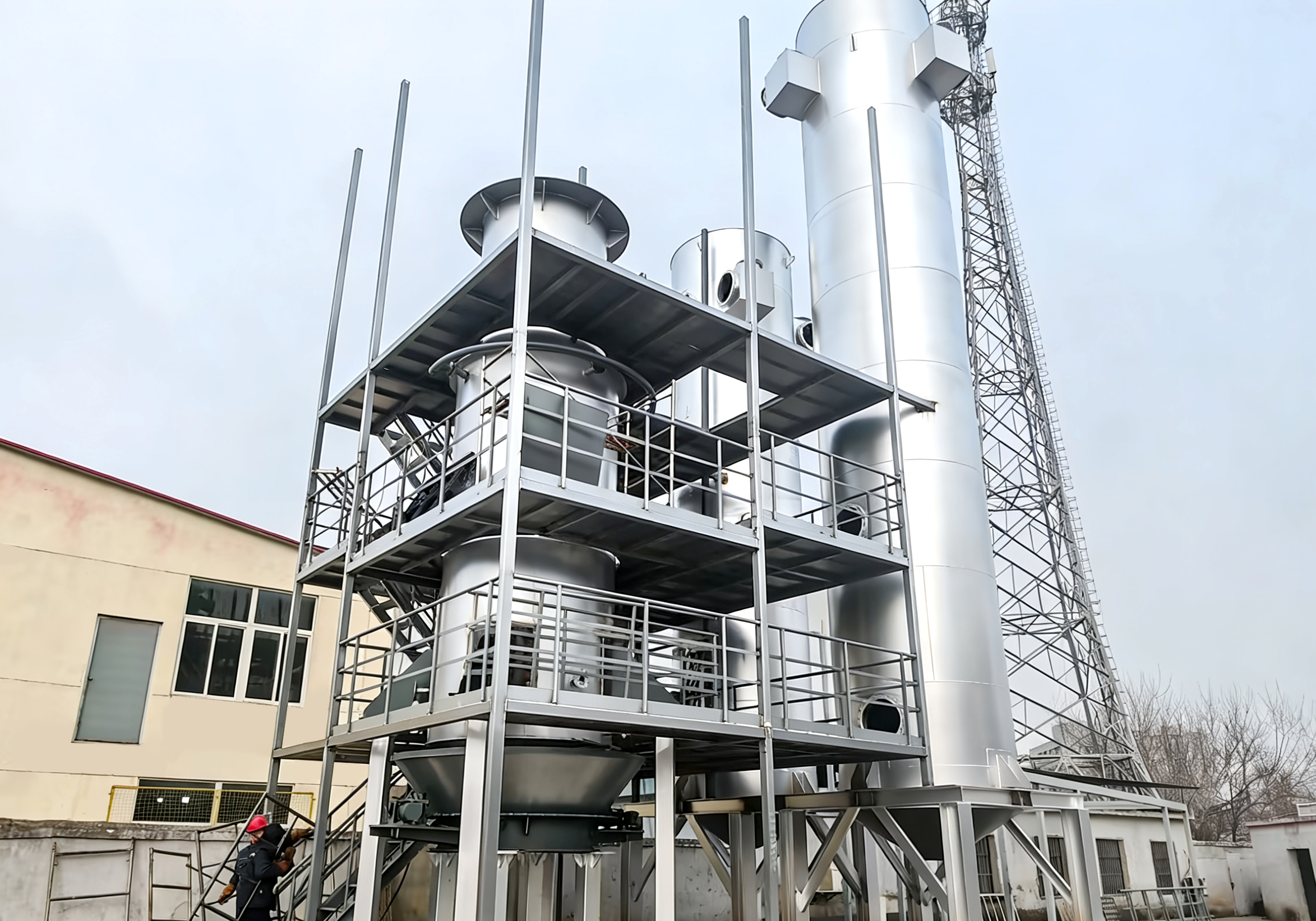
Gasifier Conversion

Thermochemical Conversion Under High-Temperature Oxygen-Deficient Conditions
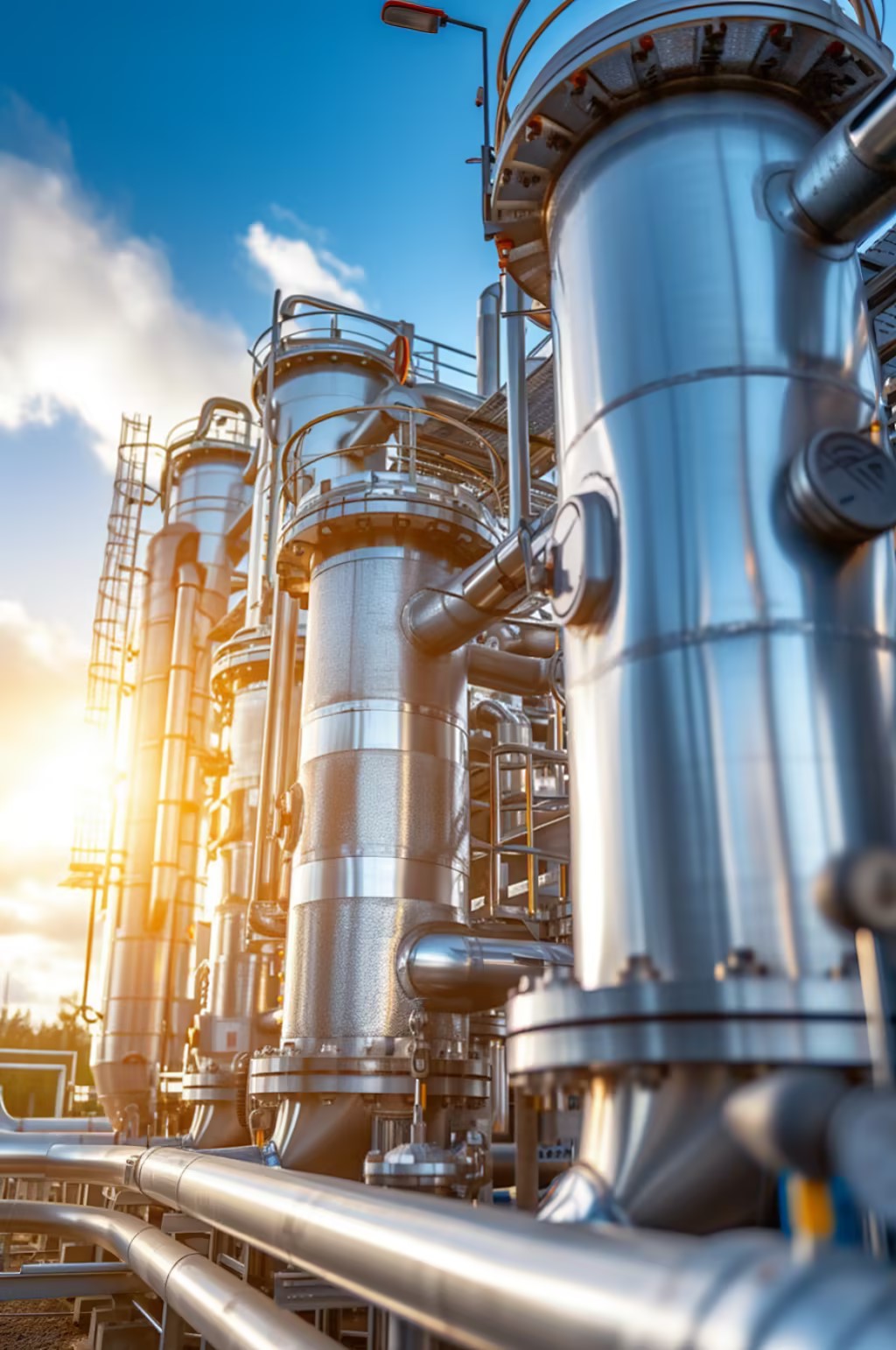
净化处理过程

Purification Treatment

Cyclone Dust Removal and Spray Purification
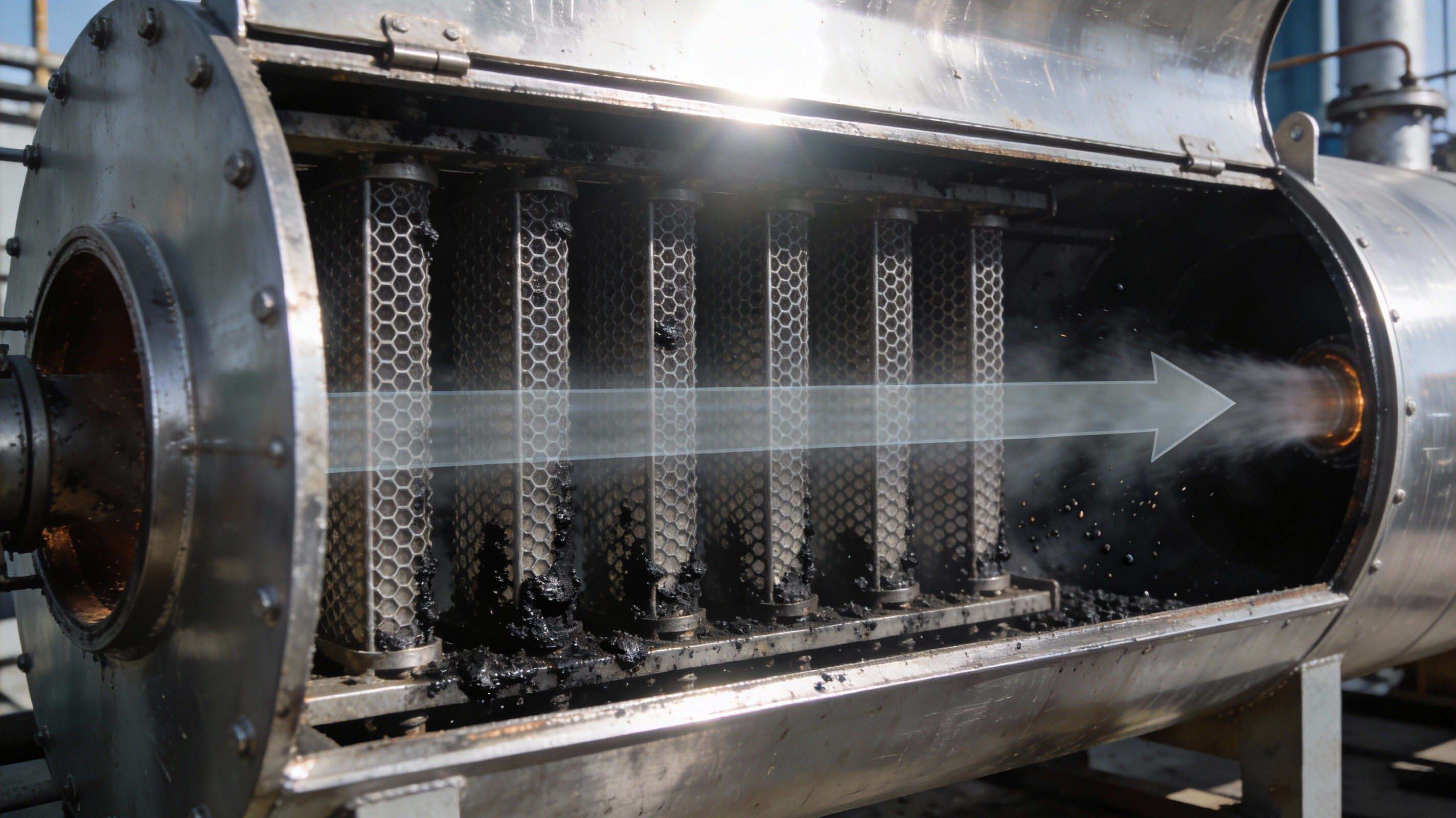
最终净化过程

Final Purification

Electric Tar Capture and Secondary Spray Treatment
Project Advantages and Economic Benefits

Biomass gasifier technology brings multiple benefits to society, energy and environmental protection fields

Economic Benefit Analysis

Biomass gasifier projects have significant economic benefits. In terms of investment return, the investment payback period for small and medium-sized gasification power generation projects is usually 3-5 years, and large projects can recover investment within 4-6 years. In terms of operating costs, biomass raw material costs are only 1/3-1/2 of traditional fossil fuels, and maintenance costs are low. Taking a gasification power generation project that processes 50 tons of biomass per day as an example, the annual power generation can reach 10 million kWh, with an annual output value of about 6 million yuan and an annual profit of 1.5-2 million yuan. In addition, the project can also enjoy national renewable energy subsidies, tax incentives and other policy support, further improving the economic feasibility of the project. The promotion and application of biomass gasifier technology not only creates direct economic benefits but also drives the development of related industries, forming a virtuous economic cycle.

Investment Return

Project investment payback period is usually 3-5 years, long-term operating costs are much lower than traditional energy.

Operating Costs

Biomass raw material costs are low, maintenance is simple, overall operating costs have significant advantages.

Social Level

The promotion and application of biomass gasifier technology has profound significance at the social level. First, the project creates a large number of employment opportunities, forming a complete industrial chain from raw material collection, processing to equipment operation and maintenance, effectively promoting rural economic development and increasing farmers' income in agricultural areas. Second, the localized production of biomass energy enhances regional energy self-sufficiency, reduces dependence on fossil fuel imports, and improves national energy security. In addition, biomass gasifiers provide stable and reliable clean energy for rural areas, improve rural energy structure, enhance residents' quality of life, promote equalization of urban and rural energy services, and provide strong support for the rural revitalization strategy.

  • Create employment opportunities, promote rural economic development
  • Improve energy self-sufficiency rate, enhance energy security
  • Improve rural energy structure, enhance quality of life

Energy Level

At the energy level, biomass gasifier technology achieves efficient conversion and utilization of renewable energy. Compared with traditional direct combustion, gasification technology converts biomass energy into high-quality syngas, with comprehensive energy utilization rate reaching over 85%, much higher than the 20-30% of direct combustion. This technology can convert low-grade biomass such as agricultural waste and forestry residues into gas that is easy to store, transport and use, improving energy density and usage flexibility. Biomass gasifiers can provide stable and reliable clean energy supply, reduce dependence on fossil energy, and optimize energy structure. At the same time, the decentralized utilization mode of biomass energy helps build a diversified energy supply system, improve the resilience and reliability of the energy system, and provide an important technical path for national energy transition.

  • Efficient utilization of renewable resources, reduce dependence on fossil energy
  • Energy conversion efficiency up to over 85%
  • Provide stable and reliable clean energy supply

Environmental Level

In terms of environmental protection, biomass gasifier technology has significant ecological benefits. First, the carbon dioxide absorbed during biomass growth is basically equivalent to the carbon dioxide released during its combustion, forming a carbon-neutral cycle, which helps mitigate the greenhouse effect. Compared with fossil fuels, biomass gasification can reduce carbon dioxide emissions by 60-90%, making an important contribution to addressing climate change. Second, this technology effectively treats agricultural waste, reduces air pollution caused by open burning of straw, and improves regional environmental quality. The pollutants generated during biomass gasification undergo multi-stage purification treatment, and emission concentrations are far below national standards. In addition, biomass gasification promotes circular economy development, achieves efficient recycling of resources, reduces environmental pressure from waste, and provides a practical technical solution for building a resource-saving and environment-friendly society.

  • Significantly reduce carbon dioxide emissions, help achieve carbon neutrality
  • Effectively treat agricultural waste, reduce environmental pollution
  • Promote circular economy development, achieve efficient resource utilization

Successful Case Display

We have successfully implemented multiple biomass gasifier projects across the country, providing clean energy solutions for different industries

德源气化炉

Gasifier Case One

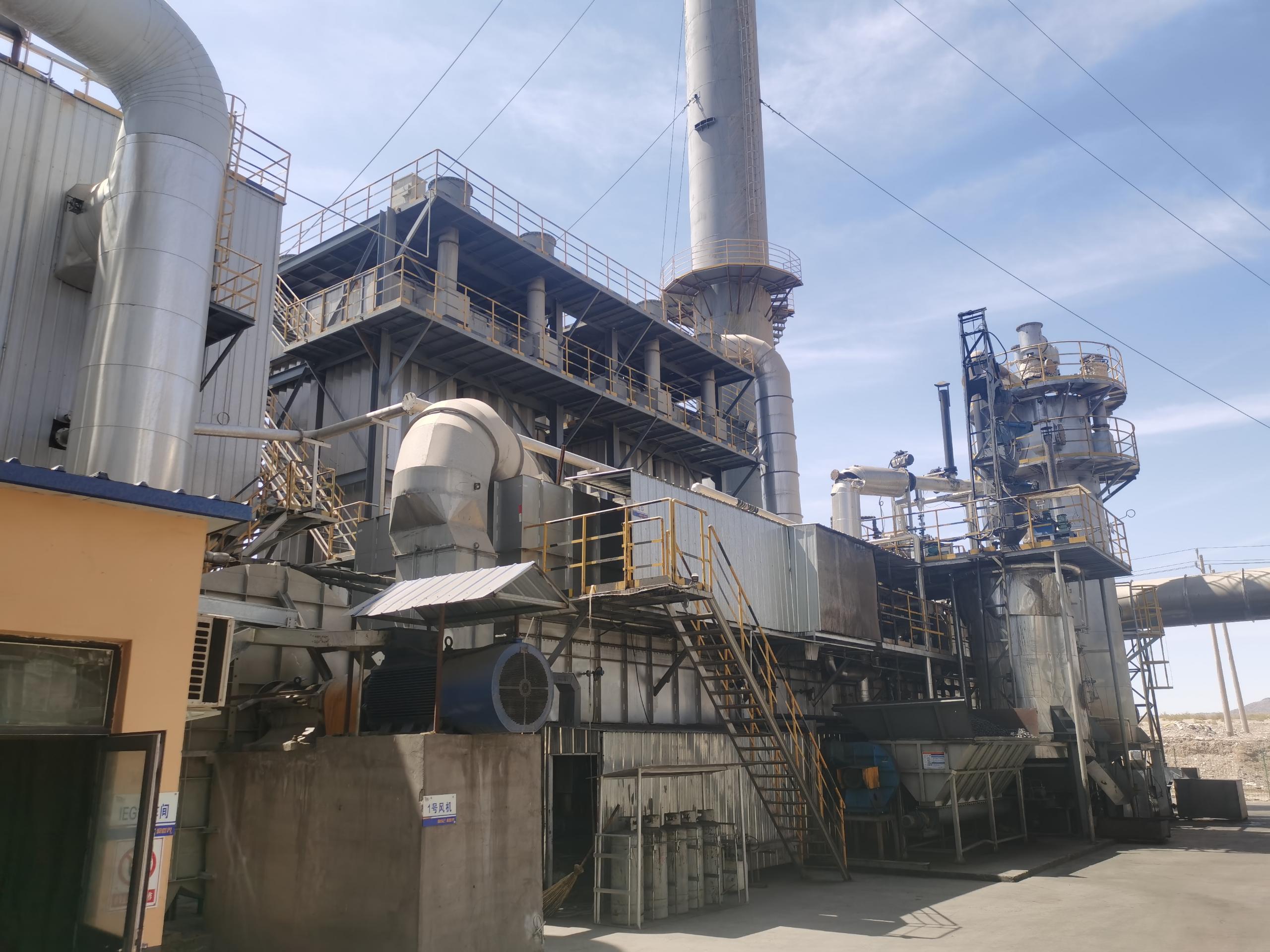
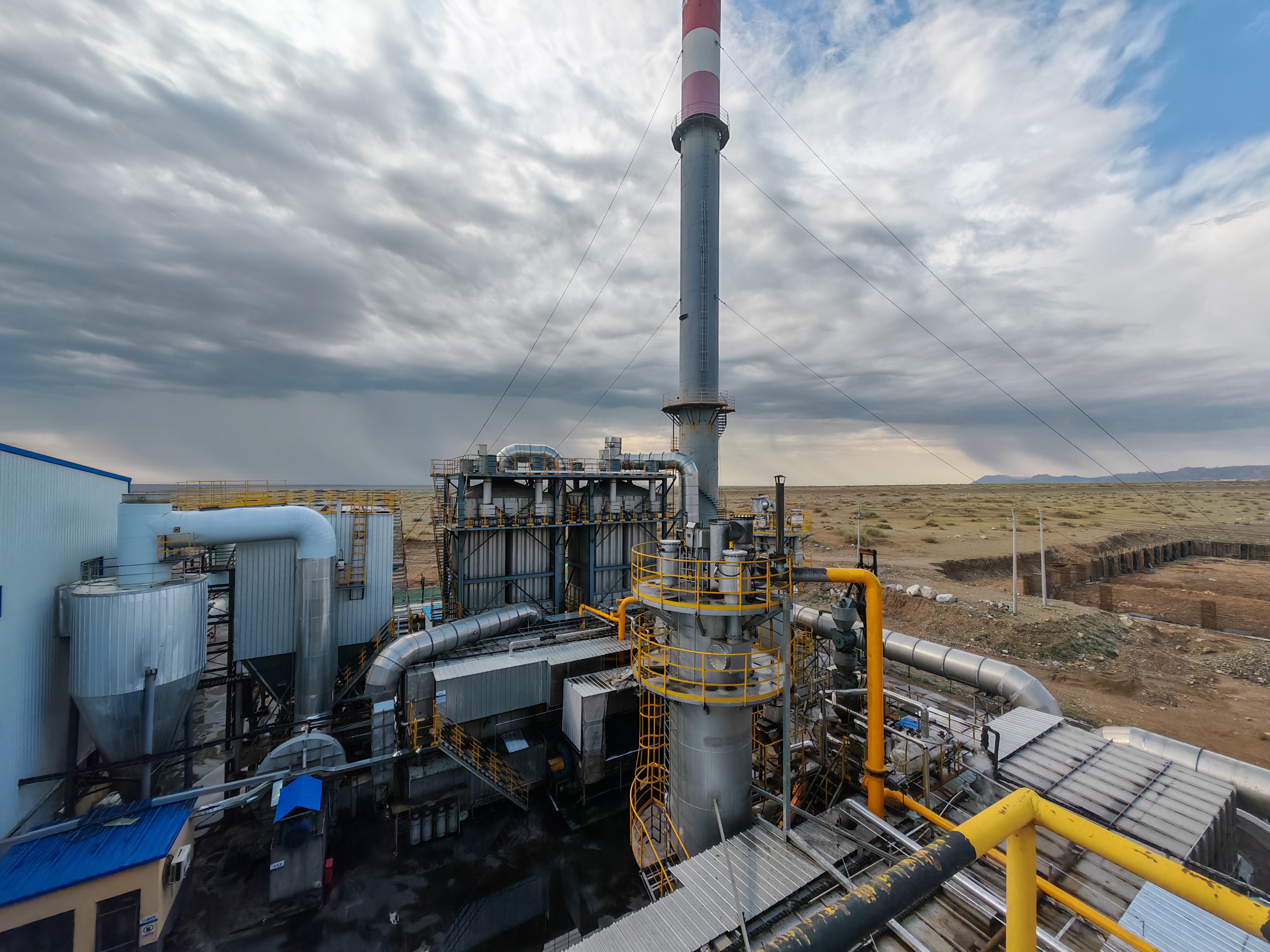
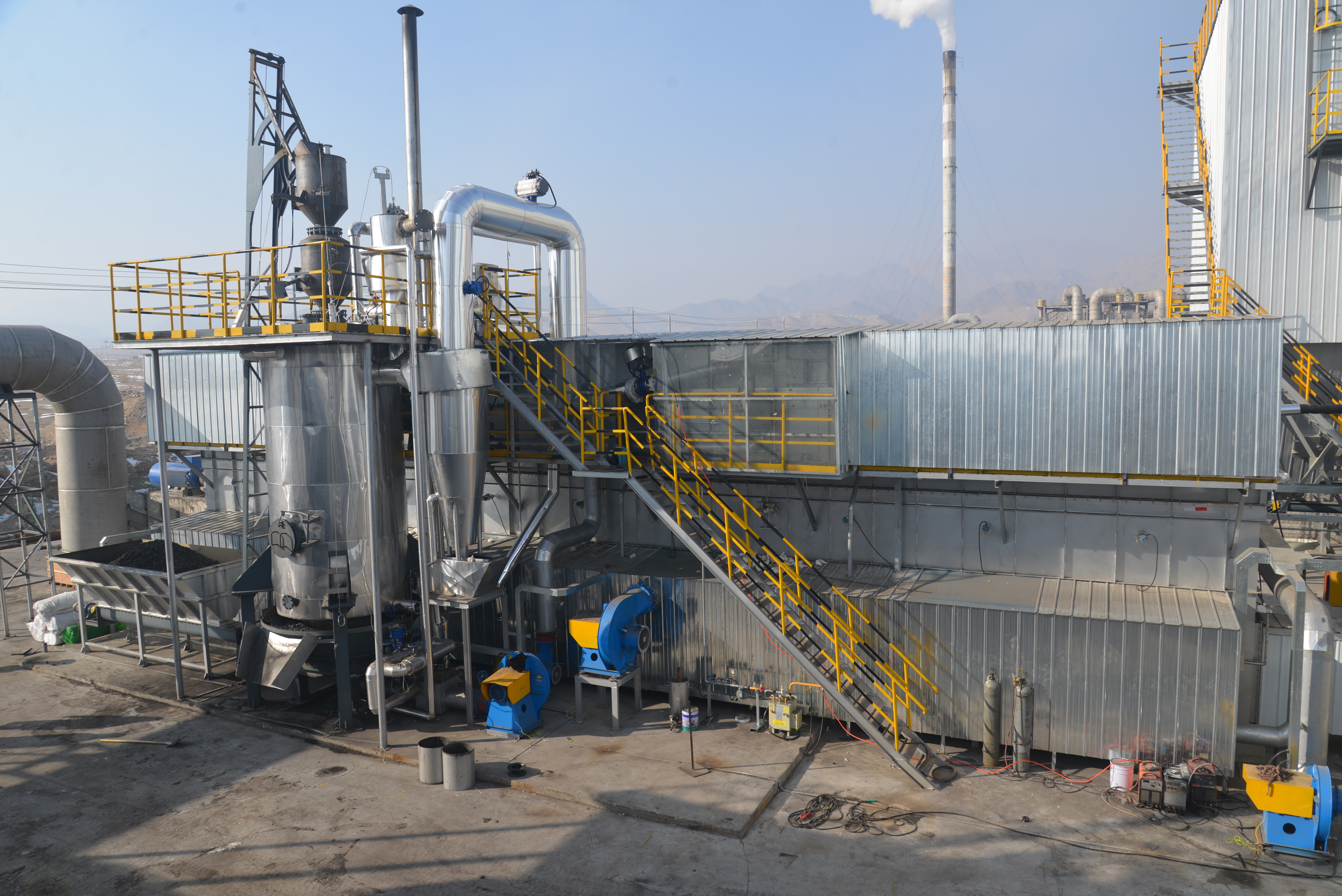
Lec self-developed clean coal gas heat source driven RTO process, the only one in the country that uses coal and biomass as fuel to provide heat source for incinerators

德源气化炉

Gasifier Case Two

The system adopts a multi-step process, using GWT gravity settling spray system to remove water-soluble dust, and then using WEP wet electrostatic precipitator to separate fine particles. Finally, the exhaust gas enters the incineration system, where high-temperature thermal oxidation technology decomposes organic matter into harmless CO2 and H2O, while generating inorganic oxides, ensuring odorless gas emission.

德源气化炉

Gasifier Case Three

Traditional organic fertilizer granulation exhaust gas has complex components, high-viscosity tar is prone to cause RTO heat accumulator blockage, leading to frequent equipment shutdowns for cleaning, not only high maintenance costs but also difficult to stably meet odor removal standards. To address this industry pain point, Longtai self-developed clean coal gas heat source driven RTO process, cutting off tar generation path from the combustion source; simultaneously supporting customized anti-adhesion, anti-blockage heat accumulator research and development, accurately adapting to exhaust gas composition characteristics, completely eliminating blockage risks.

Contact Us

Please fill in the information below, our professional team will contact you as soon as possible